The most expensive gaming pc in the world sits at the top of hobbyist spending. It combines high-end parts, art-level cases, and rare materials. The rig targets collectors, influencers, and buyers who value exclusivity. This article explains why a build reaches million-dollar status and what buyers should weigh before they buy.

Key Takeaways
- The most expensive gaming PC in the world combines rare, high-end components, artisanal craftsmanship, and unique history to reach million-dollar price tags.
- Collectors value provenance, exclusive materials, and bespoke engineering that ensure performance stability and exclusivity.
- Ultra-luxury gaming PCs include extensive testing, custom cooling, and warranty services that add to their overall cost and appeal.
- For pure gaming performance, buyers can achieve similar results at a fraction of the cost by selecting high-end commercial systems and following trusted reviews.
- Potential buyers should assess long-term value, upgrade options, warranty terms, and inspect verified test data before investing in an ultra-luxury gaming PC.
- Choosing reputable builders with documented work and press coverage helps minimize risk and ensures authenticity for expensive gaming rigs.
What Makes A Gaming PC Reach Record Prices? Components, Artistry, And History
High prices start with rare parts. Builders source top GPUs, custom water blocks, and hand-marked motherboards. They add rare components such as limited-run GPUs and one-off cooling gear. The parts raise baseline cost. Craftspeople then shape cases by hand. They work with precious metals, engraved glass, and custom lighting. The artwork moves the build from expensive to collectible.
Collectors add provenance. A rig with a celebrity connection or an event history gains value. The market then treats the rig like a limited-run console or a show car. Rarity and story increase price per part.
Buyers also pay for engineering. Builders test thermal layouts and electrical safety. They validate cooling loops and power delivery. This testing prevents failures and supports high-clocked components.
For context on mainstream high-end options, buyers compare these rigs to top-tier systems and guides that show realistic value. Trusted reviews and lists such as a roundup of the best gaming pcs help buyers see where standard high-end systems sit in price and performance. Enthusiasts also follow benchmarks and hardware analysis from sites like TechSpot to gauge GPU scaling and component choices.
Showrooms and competitions further boost prices. Builders enter design competitions and showcase prototypes at shows. Winning designs gain press and collector interest. Press coverage drives demand and lets a rare case reach record prices.
Insurance and shipping add costs. Sellers insure the rig for transit and store it in controlled environments. These practical costs push retail prices higher when sellers list the rig for auction or private sale.
Showcase: A Deep Jump into A $2M+ Custom Gaming Rig, Parts, Craftsmanship, And Cost Breakdown
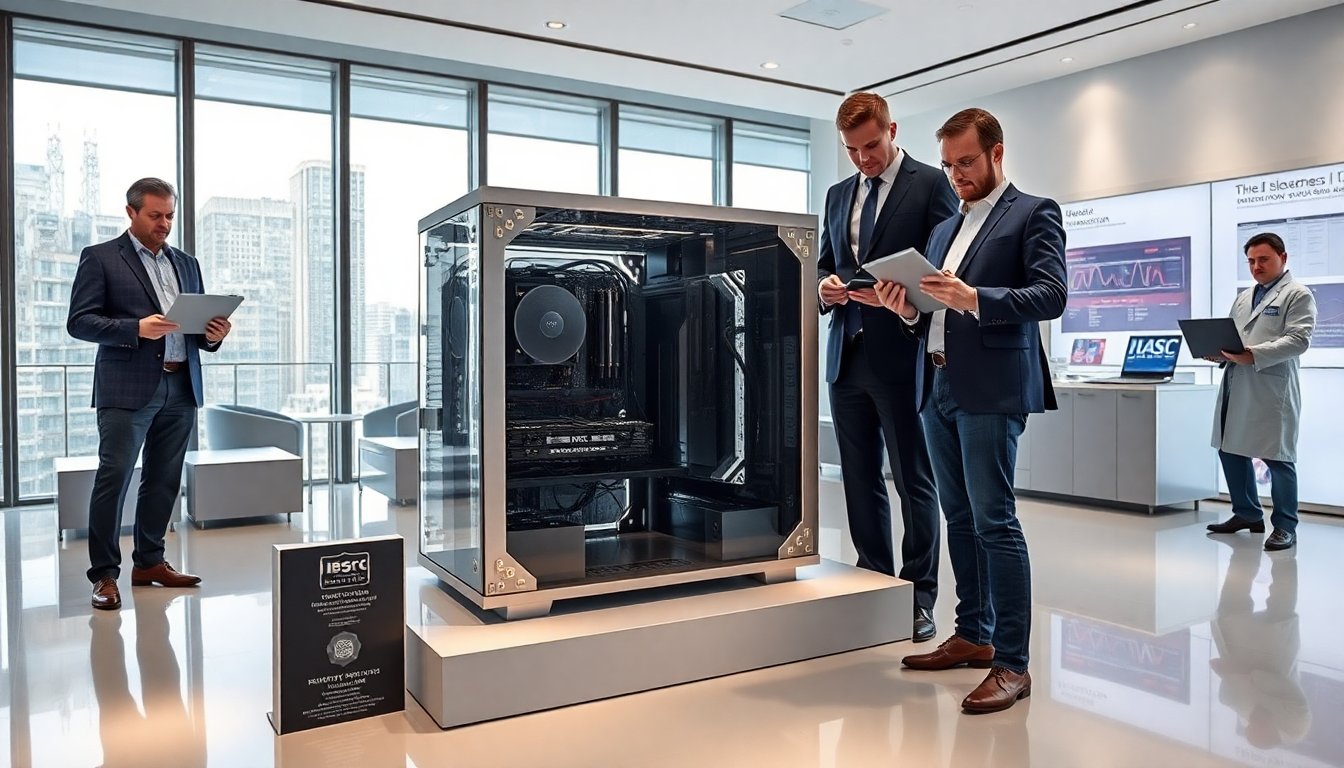
This section looks at a $2,000,000 rig as an example. The example rig uses multiple flagship GPUs in a custom chassis. The rig uses hand-formed aluminum, plated gold accents, and a glass cube with bespoke engraving. The builder fits a triple redundant power system and a closed-loop cooling system that uses exotic coolant and hand-machined fittings.
Parts alone account for a large share of cost. A set of limited-run GPUs and custom motherboards can total six figures. The case and art add another large share. The custom case can cost more than many full production cars. Labor then adds tens of thousands of dollars. Craftspeople bill for hours of handwork on metal, glass, and engraving.
Logistics and testing form the final cost layer. The builder tests the rig under sustained loads and tunes firmware for stability. They document the tests and issue performance records. These records increase buyer confidence and let the rig command a higher price.
Collectors consider value per dollar. The rig may offer superior frame rates and visual fidelity, but buyers pay most for rarity and craftsmanship. A buyer who wants pure gaming performance often achieves similar results for a small fraction of the price by choosing high-end commercial systems and top GPUs. Benchmark data and hardware reviews on sites such as PCWorld help buyers find performance alternatives and realistic expectations.
The listed price often includes warranty and provenance documents. The seller may offer lifetime maintenance or on-call support. These services appeal to buyers who want a ready-to-run luxury piece.
This example shows why the most expensive gaming pc in the world carries such a high tag. The price combines parts, art, testing, documentation, and logistics. Each element increases the final number.
Should You Buy An Ultra‑Luxury Gaming PC? Alternatives, Value Considerations, And Buying Tips
The buyer must assess goals before purchase. If the buyer wants display value and rarity, an ultra-luxury rig may fit. If the buyer wants raw performance per dollar, the buyer should consider other options.
A realistic alternative uses high-end consumer parts. The alternative can match or approach flagship frame rates at far lower cost. The buyer can follow best-of lists to pick a balanced high-end system. Guides and curated lists such as the best gaming pcs show strong builds across budgets.
Buyers should compare long-term value. The most expensive gaming pc in the world may hold or increase value if the rig has provenance and limited production. Most high-end rigs depreciate like other electronics. The buyer should check resale trends and auction history before they commit.
Inspect warranty and service terms. Luxury rigs often include bespoke support. The buyer should confirm service transferability and response times. The buyer should also confirm shipping insurance for any cross-border sale.
Consider modular upgrades. A buyer who wants future-proofing chooses a platform with upgrade paths. The buyer checks motherboard socket life, PSU capacity, and case space for new GPUs and cooling hardware.
Ask for test data. The buyer should get stress-test logs and benchmark runs. Verified results reduce the risk of undisclosed problems.
Shop with trusted sellers. The buyer should prefer builders with public portfolios and press coverage. Builders who document their work reduce buyer risk. The buyer can read hardware analysis and driver testing from outlets like TechSpot to validate component choices.
Finally, the buyer can weigh emotion versus value. The most expensive gaming pc in the world can thrill and signal status. The buyer should ensure that thrill matches the money spent.