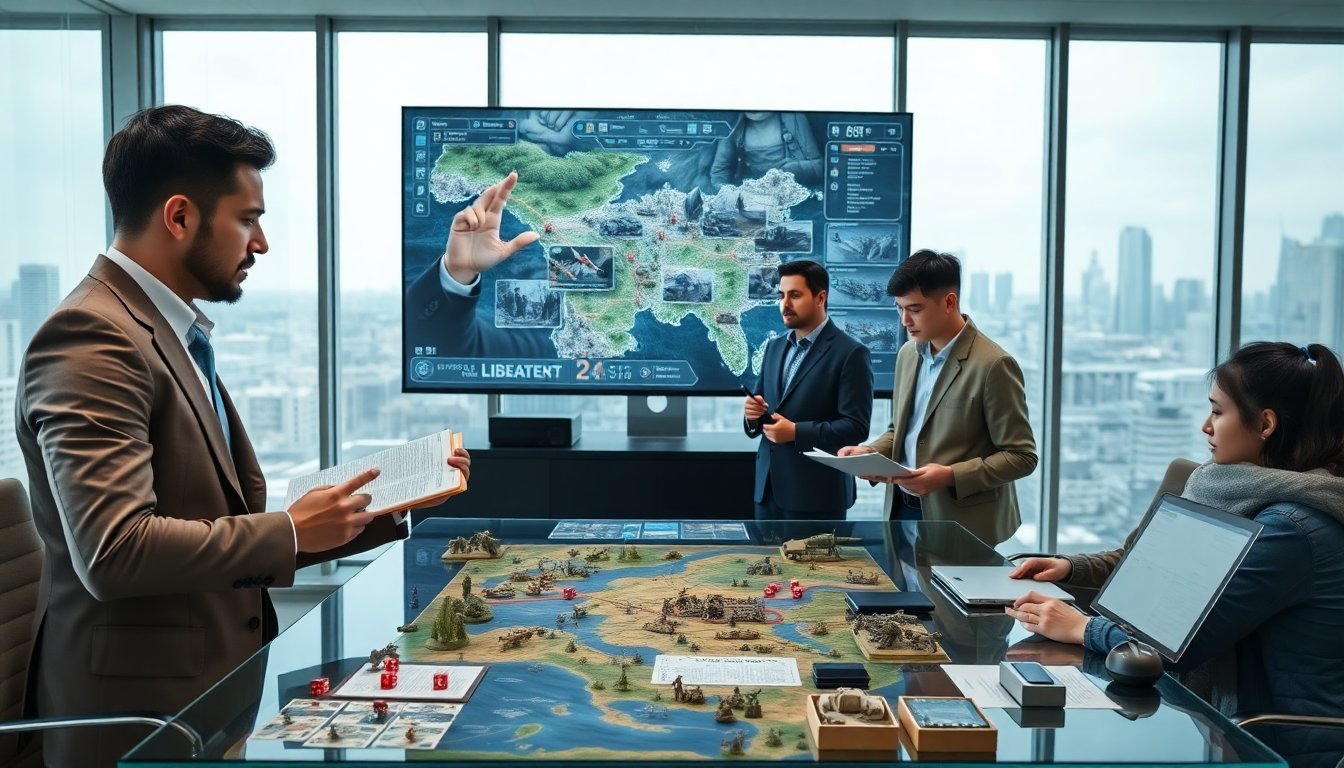
What are war games and why do players care about them? The phrase “what are war games” describes simulations that test tactics, strategy, and decision making. The topic covers board games, tabletop skirmishes, and digital simulations. The guide explains scope, history, types, core systems, and practical value. It targets gamers who want clear, direct answers about play, study, and competition.

Key Takeaways
- War games are structured simulations that test tactics, strategy, and decision making across board, tabletop, and digital formats.
- The history of war games spans from chess and 19th-century military drills to modern digital simulations enhancing realism and interactivity.
- There are three main types of war games: digital, tabletop, and professional, each developing distinct skills like tactical planning, spatial thinking, and command coordination.
- Core mechanics such as fog of war, resource management, and decision cycles create balanced challenges that teach players to manage uncertainty and prioritize objectives.
- War games serve multiple purposes including military training, research, competitive gaming, and entertainment, offering both practical value and lasting engagement.
What Are War Games? Definition, Scope, And Who Plays Them
War games define structured contests that model conflict. Designers create rules that represent forces, terrain, and time. Players take roles for commanders, planners, or units. Hobbyists play for fun and challenge. Competitors play in tournaments and leagues. Militaries use large-scale exercises for training and planning. Researchers run simulations to test choices and outcomes. The scope spans simple board setups to networked simulations with live data. The phrase “what are war games” covers all these formats and audiences.
A Short History Of War Gaming: From Chess To Digital Battlefields
Chess influenced early war game design by modeling strategy and sacrifice. In the 19th century, officers used map-based drills to train staff. Early commercial wargames appeared with rules and miniature models in the late 1800s. The 20th century brought formal military wargames for planning and testing doctrine. Home computers and consoles added interactive simulations in the 1980s and 1990s. Today developers release realistic military sims alongside arcade-style shooters. Press outlets cover those releases and trends, including daily reports by Video Games Chronicle on industry shifts.
Major Types Of War Games
War games split into three broad types: digital, tabletop, and professional. Digital games focus on gameplay systems and visuals. Tabletop games emphasize model placement and rule adjudication. Professional wargames prioritize realism and data fidelity for training. Each type targets different skills. Digital titles teach reaction, economy management, and tactical planning. Tabletop titles teach spatial thinking and rule interpretation. Professional games teach coordination, logistics, and command procedures. Players choose a type based on goals, time, and available tools.
Core Mechanics And Design Elements: Fog Of War, Resources, And Decision Cycles
Designers add fog of war to hide information and force scouting. They assign resources to create tradeoffs between offense, defense, and economy. Turn structure or real-time flow defines decision tempo. Victory conditions direct player goals and shape strategy. Chance elements such as dice or RNG introduce risk and uncertainty. Feedback loops reward good choices and punish poor logistics. Good design balances clarity and challenge. Players learn to manage limited information, allocate scarce resources, and prioritize objectives within those systems.
Why War Games Matter: Training, Research, Competitive Play, And Entertainment
War games train people to make decisions under stress. They let planners test courses of action without real-world risk. Analysts use simulations to study outcomes and refine models. Gamers use war games for competition, storytelling, and skill growth. Media outlets influence public view and hype for new releases. For example, competitive guides and weapon lists on The Loadout shape player tactics in shooters and sims. Strategy coverage and reviews drive interest, as shown by reporting from Video Games Chronicle. War games deliver practical training value and lasting entertainment.