World gaming shows new patterns in 2026. Analysts track play habits, platform shifts, and audience growth. Publishers release region-focused content. Communities form around local scenes and global events. This article lays out who plays what, how esports and streaming evolve, and which forces shape future play.

Key Takeaways
- World gaming in 2026 shows regional play preferences, with mobile games popular in Asia and competitive shooters favored in North America.
- Esports and streaming evolve with increased regional qualifiers and diverse international teams, expanding global access to pro careers.
- Developers localize content and events based on cultural storytelling and economic conditions, boosting engagement and sales worldwide.
- Technological advances like cloud gaming and cross-region play reduce hardware barriers and enhance social community features globally.
- Media coverage and policy regulations significantly influence gaming perceptions, monetization models, and market accessibility.
- Streaming platforms innovate monetization through micro-subscriptions and clips, shaping viewer habits and supporting live esports events.
Global Snapshot: Who’s Playing What And Where
Gamers drive large shifts in world gaming. Players in Asia favor mobile and live-service titles. Players in North America favor competitive shooters and action games. Players in Europe split play among consoles, PC, and handhelds. Data shows mobile engagement grew in markets with low console penetration. Developers respond by localizing events and in-game offers to match regional tastes. Publishers release updates on staggered schedules to match time zones and local holidays.
Markets show age and platform splits. Younger players prefer short-session mobile matches. Older players prefer deeper PC or console experiences. Communities form around specific genres. For example, role-playing fans gather in long-form forums and monthly streams. Competitive fans gather in fast chat rooms and weekly tournaments. This split affects monetization models. Free-to-play models win in mobile-heavy regions. Premium sales remain strong where broadband and consoles dominate.
Media coverage shapes perception of world gaming. Outlets publish reviews, daily news, and retrospectives that influence purchase choices. Industry sites report on releases and platform changes. For current headlines, readers follow sources like industry news for critic reviews and release details. This coverage helps fans decide which games to follow and which communities to join.
Esports, Streaming, And The Rise Of Regional Powerhouses
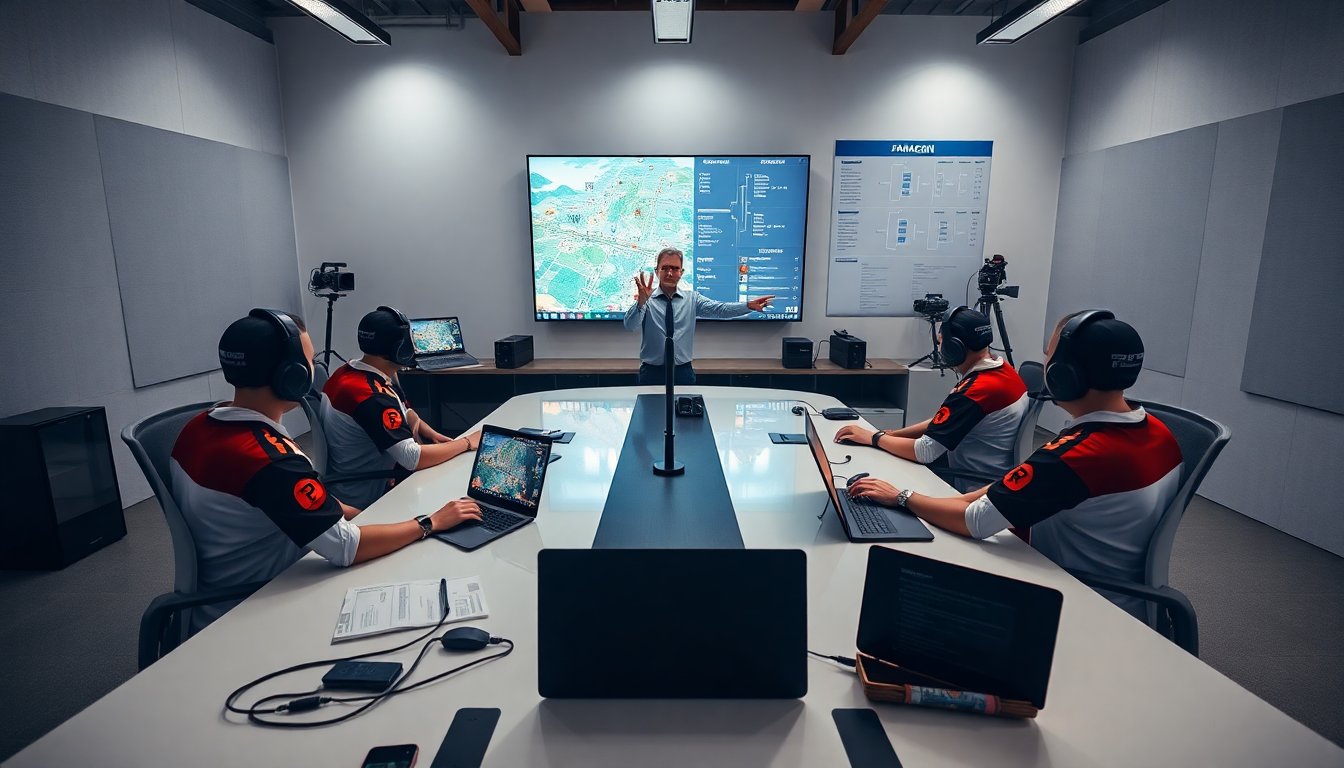
Esports teams expand across regions and genres. Organizations sign players from diverse countries. Teams invest in training houses and analytics staff. Tournament organizers increase regional qualifiers to widen access. Regional leagues feed global circuits and create steady pipelines of talent.
Streaming platforms shape viewer habits in world gaming. Streamers host daily shows and highlight reels. Viewers tune in for matches, tips, and personality-driven content. Platforms test new monetization like micro-subscriptions and clip royalties. Broadcasters use platforms to drive tournaments and sponsor events.
Certain countries now act as powerhouses. South Korea and China retain deep competitive scenes for strategy and shooter titles. Brazil and Southeast Asia show rapid growth in player base and viewership. Local sponsors support teams and help fund travel to global events. Coverage by main outlets helps grow these scenes: for example, readers track scene shifts on major reviews and matchup reports.
The result changes world gaming. Fans get more regional representation at global events. Players gain clearer paths to pro careers. Sponsors find new markets. Leagues expand live events in new cities and adapt formats to local viewing habits.
Cultural, Economic, And Technological Forces Driving The Future Of World Gaming
Culture shapes what players value in world gaming. Local storytelling and folklore inform game themes. Developers hire regional writers and artists to reflect local tastes. This choice increases engagement and local sales. Economies influence pricing and access. Lower-income regions adopt cheaper devices and cloud play options to join global trends. Payments adapt with local methods like mobile wallets and carrier billing.
Technology changes delivery and social features. Cloud platforms reduce the need for high-end hardware. Network upgrades lower latency and allow cross-region play. Developers add matchmaking rules to balance skill across regions. Social tools let players form clans and attend virtual events. These tools help community managers host moderated events and safe spaces for new players.
Policy and regulation affect world gaming. Governments set age ratings, tax rules, and loot box policies. Those rules shape monetization and design choices. Industry groups respond with self-regulation and transparency efforts to maintain market access.
Press coverage and critique influence industry choices. Readers follow investigative reporting and daily updates to gauge trends. For current industry insight, outlets like game news publish analyses and interviews that help stakeholders plan launches and support community growth.
These cultural, economic, and technical forces push world gaming toward broader inclusion. Developers release versions for different markets. Esports organizers localize formats. Streaming platforms adjust features to match regional viewing habits. Together, these forces reshape play and community structures worldwide.