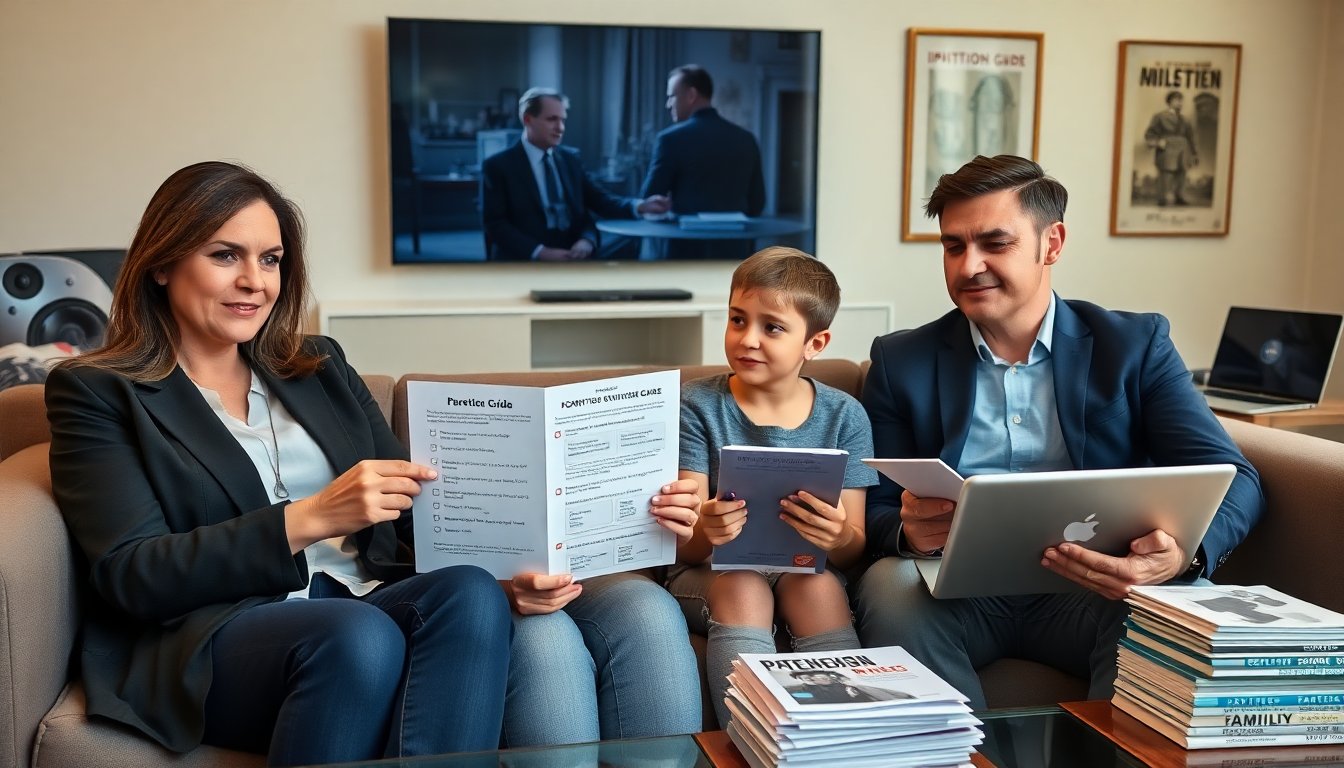
This imitation game parents guide helps caregivers decide if the film fits their teen. It lists content, themes, and discussion prompts. It explains how to watch the film with context and safety in clear steps. Parents will get concrete advice about scenes, language, and historical facts. The guide aims to make conversations easier and safer for families.

Key Takeaways
- The Imitation Game parents guide helps caregivers assess if the film suits their teen by explaining content, themes, and context for safe viewing.
- The guide highlights the film’s appeal to teens through themes of problem solving, codebreaking, and teamwork, connecting with young gamers’ interests.
- Parents receive clear warnings about mature themes, language, and tense scenes, enabling informed decisions based on age rating and historical content.
- Major discussion themes include friendship and neurodiversity, LGBTQ+ history with emphasis on empathy, and ethics of war and secrecy to foster critical thinking.
- The guide suggests practical viewing steps: setting expectations, pausing for discussion, and engaging teens with prompts and activities to deepen understanding.
- Parents are encouraged to frame conversations with factual, nonjudgmental language and provide resources to support teens’ questions and feelings.
Why This Film Matters For Teens And Young Gamers
This imitation game parents guide highlights why the film engages teens and young gamers. The film shows problem solving, codebreaking, and teamwork. Teens often connect with characters who use logic and games to solve real problems. The film also shows pressure, mistakes, and consequences. Parents should note that interest in puzzles may lead teens to ask about history and ethics. For context on gaming culture and media relevance, parents can read recent gaming culture news that links games and storytelling to young audiences.
Age Rating, Content Warnings, And What To Expect On Screen
This imitation game parents guide gives clear content warnings. The film carries mature themes, brief strong language, and tense scenes of interrogation. It may show implied violence and scenes of medical or emotional distress. Parents should expect historical wartime setting and scenes that raise moral questions. The film runs at feature length and uses period dialogue and accents. For a snapshot of critical reception and ratings that inform viewing, parents can consult the aggregate reviews and factor those ratings into their decision.
Major Themes Parents Should Discuss
This imitation game parents guide lists three theme areas to discuss after viewing. Each theme gives a short prompt and a simple explanation parents can use to start conversation.
Portrayal Of Friendship, Isolation, And Neurodiversity
This imitation game parents guide notes the film shows friendship that shifts under stress. Characters form bonds through work and suffer from isolation. The film shows behaviors that resemble neurodiversity. Parents should describe difference without labels and invite questions. Suggested prompt: “How did the character act when they felt left out?” Parents can point out adaptive skills and social challenges. Keep answers short and factual. Avoid pathologizing language. Offer real examples from the film to make the idea concrete.
LGBTQ+ Representation, Historical Context, And Safety
This imitation game parents guide explains that the film includes LGBTQ+ history tied to legal risk and social stigma. The film shows how laws affected personal lives and careers. Parents should give simple facts about historical laws and the harm they caused. Suggested prompt: “How did rules affect the character’s choices?” Parents must avoid moralizing. They should focus on safety and empathy. If a teen asks about identity, the parent can validate feelings and offer current resources. For broader media discussion relevant to gaming and stories, parents may consult game guides pieces that discuss representation in media.
Ethics Of War, Secrecy, And The Role Of Institutions
This imitation game parents guide highlights ethical questions the film raises. The film shows secrecy used to protect lives. It also shows how institutions make hard choices. Parents can ask: “Was secrecy justified here?” and “Who should decide what to hide?” Use concrete scenes to frame answers. Encourage teens to weigh short-term harm against long-term safety. Point out that laws and institutions change over time and that civic participation can shape policy.
How To Watch Together: Conversation Starters And Activities
This imitation game parents guide gives practical viewing steps and short activities. Step 1: Set expectations. Tell the teen what themes will appear. Step 2: Pause for key scenes and ask a single focused question. Step 3: Debrief for five minutes after the film. Suggested starters: “What moment surprised you?” “Who did you trust and why?” Activities: map the timeline on paper, list ethical choices, or compare a character to a game strategy. Use simple follow-up prompts and keep tone curious. Offer resources or local support if the film raises personal concerns.