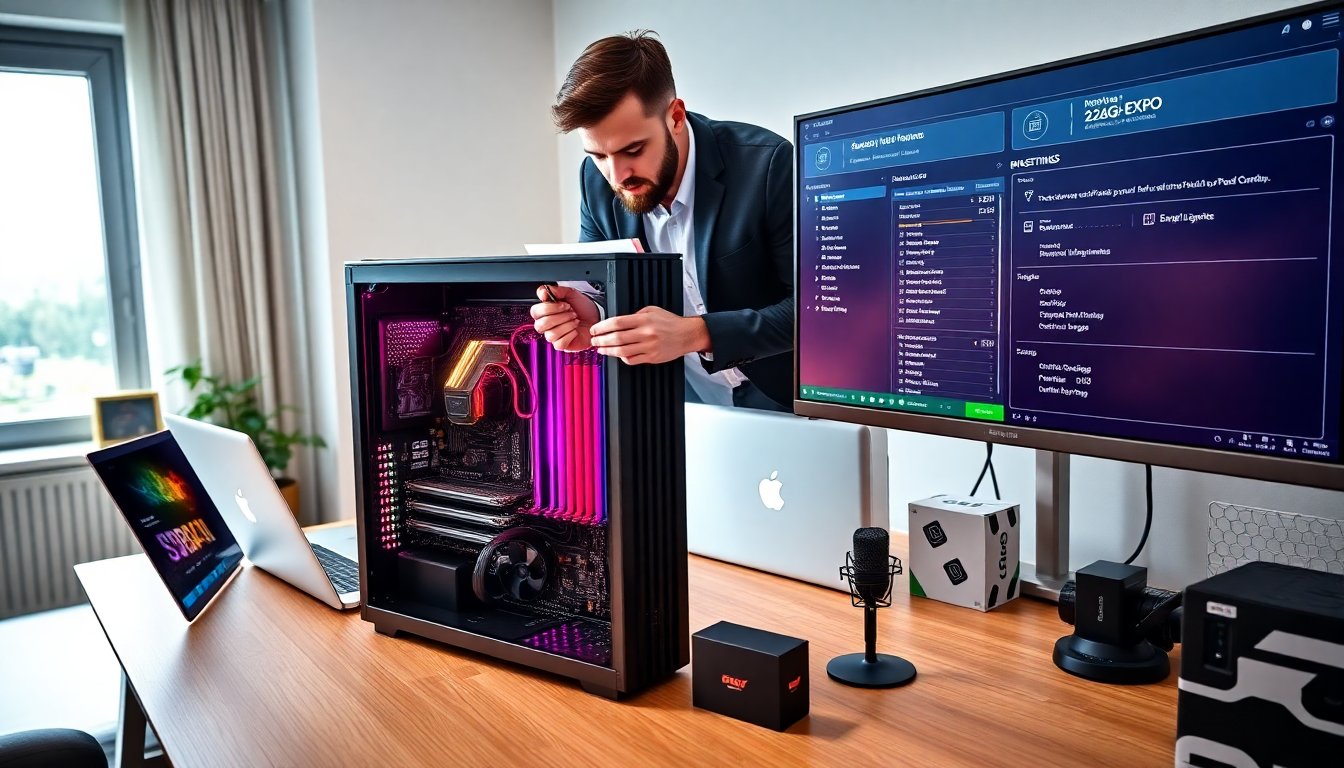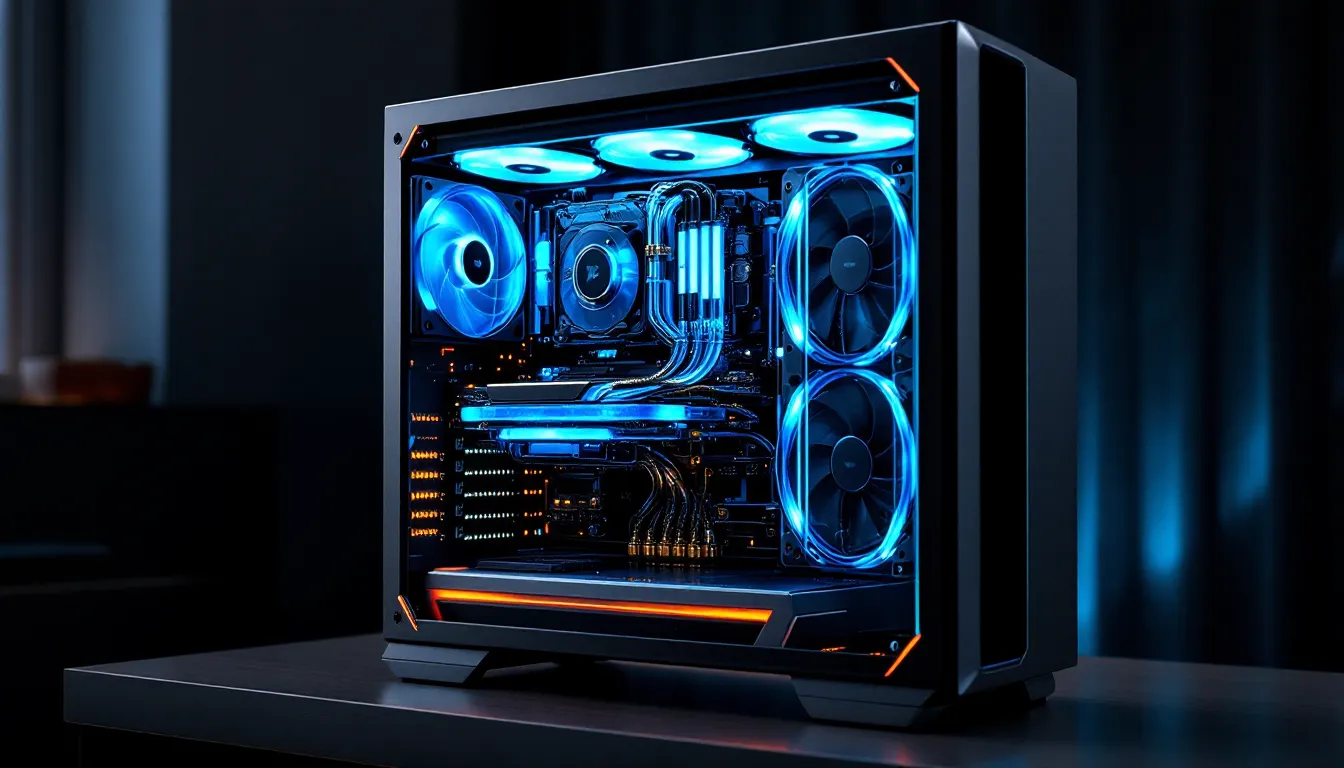
The gaming PC market has always had a high ceiling, but in 2026, that ceiling is basically nonexistent. While most gamers are thrilled to snag a solid $2,000 build that’ll handle 1440p gaming at 144+ FPS, a different breed of enthusiasts is dropping six figures (and then some) on what amounts to digital art installations. These ultra-expensive gaming PCs represent the intersection of raw performance, exotic craftsmanship, and unbridled customization. They’re less about pure competitive edge and more about pushing the boundaries of what’s possible when budget isn’t a limiting factor. Whether built by boutique integrators or commissioned as one-of-a-kind pieces, the world’s most expensive gaming PCs tell a fascinating story about where the enthusiast market is heading.

Key Takeaways
- The most expensive gaming PC in the world costs into the millions and prioritizes bespoke craftsmanship, exotic materials, and exclusivity over raw performance gains.
- Ultra-expensive gaming PCs feature hand-binned GPUs and CPUs, custom-machined cases, and exotic cooling systems that justify price tags through diminishing returns in performance beyond the $5,000–$10,000 sweet spot.
- Materials like carbon fiber, titanium, 24k gold plating, and custom sleeving account for tens of thousands of dollars in costs, while labor from elite builders can add $20,000–$50,000 for weeks of design and assembly.
- Most expensive gaming PCs deliver minimal gaming performance gains over $10,000 builds (10–20% more FPS for 5–10x the cost), making them collector’s items and professional workstations rather than practical gaming investments.
- Limited-edition luxury builds may appreciate in value if they have documented pedigree and rarity, but the resale market remains illiquid and most ultra-expensive machines depreciate like standard electronics.
- The future of high-end gaming PCs will emphasize artisanship, AI-assisted design, exotic nanotech coatings, and professional GPU integration rather than incremental performance improvements.
What Defines an Ultra-Expensive Gaming PC?
An ultra-expensive gaming PC isn’t just a machine with top-tier specs slapped together. It’s a complete ecosystem where every single component, from the power supply to the cooling solution to the custom case, is selected or engineered for maximum performance, aesthetics, and exclusivity.
These builds typically start at $50,000 and scale upward into the millions. The jump in price doesn’t always correlate to a linear jump in gaming performance. Once you’re past the sweet spot of $3,000–$5,000 (where you’re getting 4K gaming at max settings), additional spending goes toward diminishing returns on FPS, but massive gains in build quality, materials, and exclusivity.
What separates a luxury gaming PC from just an expensive one? It comes down to craftsmanship. We’re talking hand-welded aluminum cases, custom loop water cooling systems with exotic fluids, PCB modifications on GPUs, and components that are sometimes one-of-a-kind. The best builds in this category aren’t mass-produced: they’re bespoke creations that take weeks or months to design and assemble. Many include materials like carbon fiber, titanium, or even precious metals. Some are art pieces first and gaming machines second, though they game excellently regardless.
The Current Record Holders
Custom-Built Flagships
Custom builders have consistently pushed the envelope on pricing. Companies like Digital Storm, Falcon Northwest, and smaller niche integrators have created gaming PCs that command four- and five-figure price tags. In 2024–2025, several builds crossed the $100,000 threshold, but the absolute highest-priced machines in the custom segment, those hand-assembled by elite boutique shops, have reached into the mid-six figures.
One notable example is the Bionic Chaos, a fully custom-built gaming PC that showcased exotic liquid cooling with high-end GPU and CPU binning (hand-selecting the best silicon chips). The build incorporated a custom machined aluminum case with RGB elements throughout, featuring components from established PC gaming publications like Tom’s Hardware that regularly benchmark top-tier machines.
Limited Edition Pre-Builts
The pre-built market has also gone ultra-luxury. Companies like Falcon Northwest and Origin PC have released limited-edition flagships that blend exclusive partnerships with premium materials. Some of these machines come signed and numbered, with documentation about the specific silicon binning and testing protocols used.
The most expensive pre-built gaming PC ever released was likely a collaborative piece involving premium brands in the peripherals and component space. These machines often cost $50,000–$200,000 and are usually produced in runs of fewer than 10 units worldwide.
Why These Machines Cost Millions
Premium Components and Materials
You can’t build a multi-million-dollar gaming PC using off-the-shelf components alone. That price tag requires custom silicon binning, exotic materials, and components that don’t exist in the consumer market. A binned GPU or CPU, one that’s been tested and validated to run at exceptionally stable overclocks, can cost 10–50x more than the standard version.
Add in materials like carbon fiber chassis, custom-machined aluminum blocks, and hand-crafted cable management with exotic sleeving, and you’re looking at materials costs alone hitting five figures. Some ultra-expensive builds use 24k gold plating on specific connectors, titanium structural elements, or even custom PCBs designed specifically for that single build.
Customization and Exclusivity
When you’re commissioning a bespoke gaming PC from a master builder, you’re paying for their time and expertise. A world-class PC integrator might spend 4–8 weeks on a single build, including design consultation, parts sourcing, assembly, testing, and quality assurance. That labor alone can easily cost $20,000–$50,000 for a truly custom piece.
Exclusivity drives price too. If only one machine like it exists, or if it’s one of three ever made, collectors and enthusiasts will pay exponentially more. It’s the same logic that applies to limited-edition gaming peripherals or signed memorabilia.
Brand Prestige and Craftsmanship
Certain builders have earned legendary status in the enthusiast community. When you buy from them, you’re paying for decades of reputation and the assurance that your machine will be built by someone who’s forgotten more about PC architecture than most of us will ever know. That prestige adds a premium, sometimes 20–30% over the actual component and labor costs.
Craftsmanship also includes attention to detail that most gamers never see. Custom cable routing that’s barely visible behind tempered glass, perfectly symmetrical RGB lighting arrays, cooling systems engineered to within 0.5°C of their design specs, and stress-testing regimens that ensure the machine will run flawlessly for years. This level of care costs serious money.
The Most Luxurious Gaming PC Builds of 2026
Extreme Performance Specifications
When cost is no object, here’s what top-tier 2026 gaming PC builds actually look like:
GPU(s): Dual or quad NVIDIA RTX 6000 Ada or RTX 5880 Ada cards (professional-grade, not consumer GPUs). These retail at $35,000–$50,000 each and offer VRAM counts of 48–96GB.
CPU: Intel Core Ultra or AMD Ryzen 9 with custom binning, potentially overclocked to 5.8–6.2 GHz on all cores. Some ultra-expensive builds use dual-socket configurations (think Threadripper Pro or XEON chips), which requires custom motherboards.
Cooling: Custom loop water cooling with exotic fluids (some using mineral oil or specialized coolants), multiple radiators (360mm+), and custom-machined blocks. Ambient temps are often maintained at 25°C or lower.
Storage: Multiple NVMe SSDs in RAID configurations for speed and redundancy. We’re talking 12–16TB of total storage, all running at PCIe 5.0 speeds.
Power Supply: Custom or heavily modified PSUs rated for 2,000–3,500W, often with custom cabling and connectors.
RAM: 256GB–512GB of premium DDR5 memory, sometimes with custom heat spreaders.
Exotic Design Elements
Beyond specs, the visual presentation is what justifies the premium price tag in many cases. Luxury gaming PCs in 2026 feature:
- Custom Cases: Hand-fabricated from aluminum, carbon fiber, or exotic materials. Some include motorized RGB accent pieces or kinetic sculptures.
- Cooling Aesthetics: Loop tubes wrapped in custom sleeving, custom fittings plated in precious metals, and fluid colors that shift under different lighting.
- Cable Management: Every single cable is sleeved, color-matched, and routed with surgical precision.
- Lighting: Hyper-synchronized RGB that responds to CPU/GPU load, water temperature, or even game-specific triggers.
- Personalization: Some builds include engraved plaques, embedded displays showing live system stats, or even custom artwork inside the case.
According to hardware review sites like PC Gamer, the aesthetic component of luxury builds has become almost as important as raw performance.
Is an Ultra-Expensive Gaming PC Worth the Investment?
Performance vs. Price
Let’s be direct: no gaming PC needs to cost $500,000 to deliver a phenomenal gaming experience. A $5,000–$8,000 build will max out virtually every game at 4K with high refresh rates. A $10,000 build edges into diminishing returns territory, offering maybe 10–15% more sustained performance for 2x the cost.
Beyond that, you’re buying for reasons other than raw gaming FPS. Streaming performance, 3D rendering workloads, scientific computing, or AI training might justify the extra expense. A machine with quad 6000 Ada cards and a high-core-count CPU is genuinely valuable for content creators or professionals.
For a pure gamer? A $50,000+ PC is a luxury purchase, not a practical one. You’re getting maybe 10–20% more gaming performance over a $10,000 machine, but you’re paying 5–10x the price. The ROI is terrible unless you value the prestige, craftsmanship, or collector appeal.
Collector’s Value and Resale
Here’s where ultra-expensive gaming PCs become more interesting from an investment perspective. Limited-edition builds, especially those built by legendary integrators or featuring rare components, can appreciate over time. A machine built by a renowned boutique builder 5 years ago might be worth more today than it was originally sold for.
The collector market for high-end gaming PCs is small but passionate. Enthusiasts will pay premiums for machines with:
- Documented pedigree (builder reputation, known ownership history)
- Rarity (fewer than 5 units ever made)
- Historic significance (first dual-GPU custom loop at a certain performance tier, etc.)
- Material value (precious metals, exotic components that are no longer available)
That said, the resale market is illiquid. Selling a $200,000 gaming PC requires finding a buyer with both the budget and the taste to want it. Established hardware comparison platforms like Hardware Times occasionally cover high-end builds, but actual sales data for ultra-luxury machines is scarce.
For most people, a gaming PC, no matter how expensive, depreciates like any other electronics. You should buy ultra-expensive machines because you want to own them, not because you expect them to appreciate.
The Future of High-End Gaming PCs
Emerging Technologies and Trends
The luxury gaming PC market is evolving. Liquid cooling, once exclusive to extreme builds, is becoming standardized on high-end machines. Custom modding is shifting toward AI-assisted design, think generative AI helping builders visualize custom cases before fabrication.
Nanotech coatings, custom silicon binning via machine learning, and exotic materials (graphene, advanced ceramics) are starting to appear in ultra-luxury builds. We’re also seeing integration with smart home systems, VR setups, and motion-capture technology as part of the complete “gaming ecosystem” that some builders offer.
GPU prices have also shifted. The ultra-expensive custom builds of 2026 are leaning harder into workstation GPUs (like RTX Ada and upcoming Blackwell chips) because they offer more memory and better compute-to-price ratios than consumer gaming GPUs. This blurs the line between gaming PC and professional workstation, opening up new markets.
Predicted Price Evolution
Will ultra-expensive gaming PCs get even more expensive? Likely, but slowly. Component costs are stabilizing, so the biggest price jumps will come from artisanship, exclusivity, and exotic materials rather than pure compute power. We might see the absolute ceiling for a custom gaming PC reach $1 million+ by 2028–2029, but these will be true art pieces, not just gaming machines.
Conversely, the entry point for “luxury” gaming PCs might actually drop. As technology democratizes, what costs $100,000 today might become a $40,000 build in 3 years. That’s good news for aspirational enthusiasts who want quality craftsmanship without the ultra-premium price tag.
Conclusion
The world’s most expensive gaming PC in 2026 isn’t just about owning the fastest machine, it’s about appreciating craftsmanship, exclusivity, and the intersection of art and engineering. These machines represent the absolute ceiling of what’s possible in bespoke PC building, and they attract collectors, professionals, and enthusiasts who view technology as a form of personal expression.
Are they practical? Almost never. Are they worth the money? Only if you’re buying for reasons beyond raw gaming performance, prestige, collector appeal, professional workloads, or simply because you can.
For the rest of us, the good news is that exceptional gaming experiences don’t require a multi-million-dollar investment. But for those drawn to the pinnacle of PC building artistry, these ultra-expensive machines represent the cutting edge of what human craftsmanship and premium components can achieve.